











Ah yes, those removable batteries were a treat back when it was popular back then, now EU wants it back– is it a yay or a nay?
The Euopean Union (EU) is on a move right now; first, it will mandate that smartphone manufacturers make their devices available to third-party app stores starting in January 2024; second, it will start mandating USB-C for portable electronics at the end of 2024; and third, it has reached a provisional agreement that will mandate that portable devices have user-replaceable batteries.
The agreement covers nearly all types of batteries, including portable batteries, starting, lighting, and ignition (SLI) batteries for automobiles, light means of transportation (LMT; think electric scooters and bikes), electric vehicle (EV), and even industrial batteries. In the event that this legislation is approved, manufacturers will have three and a half years to redesign their portable electronics so that users can quickly remove and replace the batteries.
Smartphones with user-replaceable batteries were once commonplace, but they are now vanishingly rare. Even dust and water resistance are possible for the typical bar form factor, as shown by Samsung’s most recent Xcover phones and comparable devices.
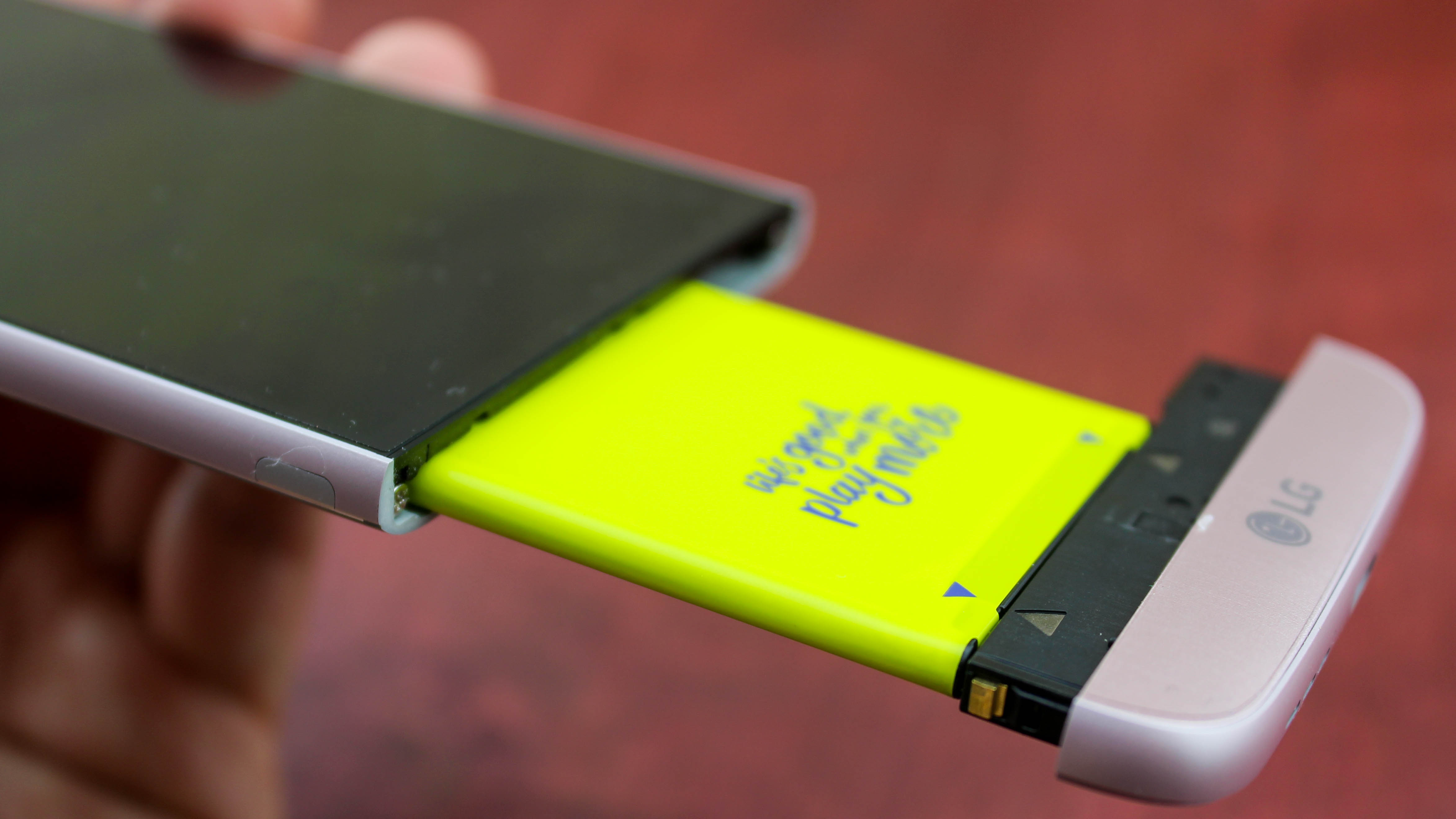
However, because they frequently have two separate batteries, one in each “quarter,” to balance weight and space, foldable phones may be difficult to use. Ribbon cables connect them, so creating a design that gives users easy access will be challenging. Again, if and when the legislation is approved by the EU Parliament and Council, the creators will have three and a half years to come up with a solution.
Batteries will need to have labels and QR codes that list their capacity, performance, durability, chemical makeup, and the symbol for “separate collection.” Batteries will also have virtual passports that contain details on both the general model of the battery and the specific battery. Environmental considerations played a significant role in this agreement.
According to the policy, batteries must contain at least 16% cobalt, 85% lead, 6% lithium, and 6% nickel in recycled form. The EU will mandate that old batteries be collected to support the recycling process. At least 45% of old batteries must be collected (for free) by 2023, 63% by 2027, and 73% by 2030 for portable batteries. The percentages for LMT batteries are 51% by 2028 and 61% by 2031.
In reality, all other batteries, including EV as well as industrial batteries, should be collected for free by the consumer, regardless of brand, origin, or condition. The development of a due diligence policy to “address the social and environmental risks associated with the sourcing, processing, and trading of raw resources and secondary raw materials” will also be required of makers who sell their goods in the EU.
The entire life cycle of a product is now covered by circular economy legislation for the first time, which is advantageous for both the environment and the economy, according to Achille Variati (S&D, IT).
“We came to an agreement on measures that will significantly benefit consumers: batteries will work properly and be safer and simpler to remove. Our overarching goal is to strengthen the EU’s recycling sector overall and to create a competitive industrial sector, both of which are essential for our continent’s energy transition and strategic independence in the coming decades. These standards might be adopted by the entire world battery market.”