


While smartphones have become increasingly sophisticated, their interaction methods have remained largely unchanged – until now. For individuals living with disabilities like Amyotrophic Lateral Sclerosis (ALS), traditional touchscreens present significant challenges.
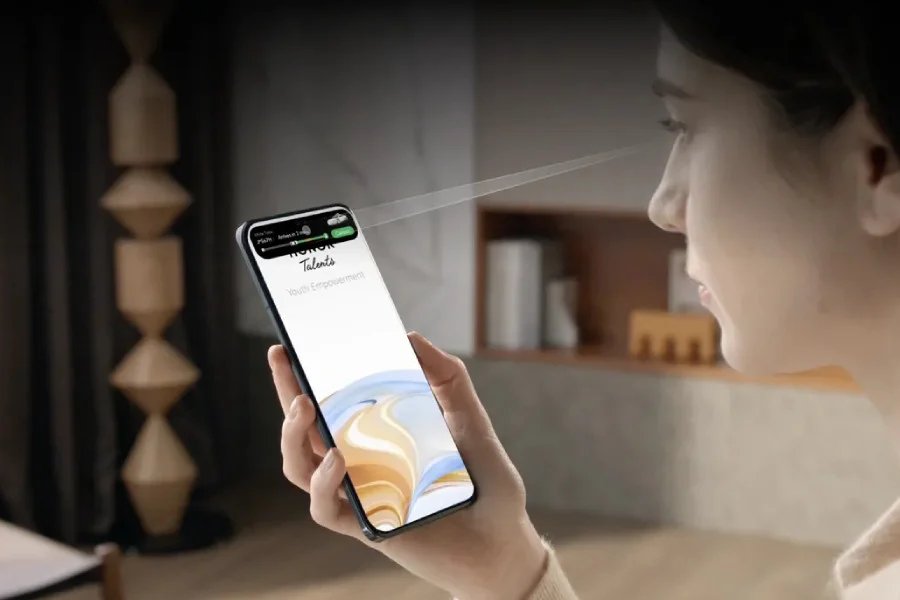
Recognizing this, HONOR has introduced a groundbreaking solution: intent-based eye-tracking technology. This innovative feature, integrated into MagicOS 8.0, empowers users to control their phones solely through eye movements. “ALS patients often retain control only of their eye movement in the later stages of the disease,” explains Limore Noach, executive director of the ALS Foundation Netherlands. “Honor’s technology offers a lifeline for these individuals.”
By leveraging artificial intelligence, HONOR’s system interprets user intent, providing an intuitive and effortless smartphone experience. Initially showcased on the Magic 6 Pro, this life-changing feature will be available on global Honor devices starting August 27th.
Honor’s commitment to accessibility extends beyond eye-tracking. The company is also developing a brain-computer interface (BCI) to further expand communication options for those with limited mobility.
To raise awareness for ALS, HONOR has launched the #HONORtheChallenger campaign featuring renowned athletes like Nile Wilson. This initiative has already garnered impressive global engagement, demonstrating the power of technology and human compassion.
As HONOR continues to push the boundaries of innovation, the future of smartphone accessibility looks increasingly promising.