


Russian authorities have officially pulled the plug on Roblox, blocking access to the platform across the country after claiming it exposes children to harmful content.
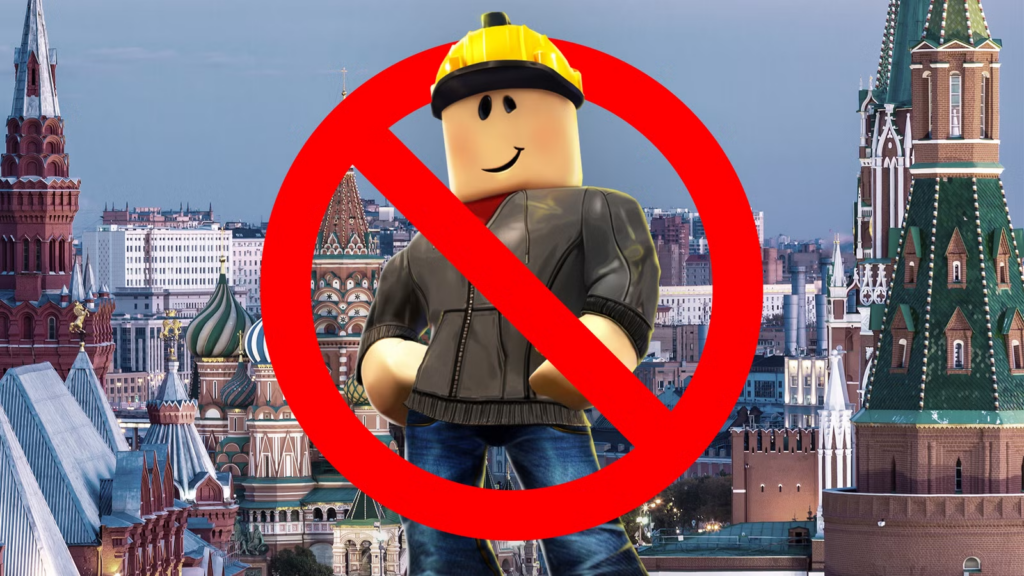
Roskomnadzor, the state communications regulator, said their decision came from finding extremist themes, LGBTQ-related material they label as “propaganda,” and user-generated games that supposedly simulate violence or encourage illegal behavior.
Several reports also pointed to instances of harassment and inappropriate interactions involving minors.
Players in Russia started noticing the effects almost immediately. By early December, the game simply stopped loading, and attempts to bypass the restriction now lead to dead ends.
Roblox joins a growing list of foreign digital services restricted in the region, a pattern that has been accelerating as the government tightens control over online content.
Roskomnadzor insists that the move is about protecting minors. They argue that Roblox’s moderation systems repeatedly failed to catch content that could undermine what the government describes as the “spiritual and moral development” of children. In their view, this isn’t an isolated oversight but a trail of problems that point to a systemic failure within the platform.
The bigger picture is where things get more complicated. Russia’s digital environment has been shrinking for years as the state steadily limits global platforms and pushes for more regional alternatives. Blocking Roblox isn’t just about one game; it’s part of a broader shift toward a more isolated internet where global platforms must either comply with strict local rules or lose access entirely.
For gamers and creators, this means the loss of a massive shared space where players design worlds, collaborate, and interact with millions of people across the globe.
The ban also highlights something every major platform eventually faces: the tension between open creativity and moderation. Roblox thrives precisely because anyone can build something inside it, but that same openness makes it tough to police.
Even countries without strict censorship laws have criticized the platform for safety issues.
Russia’s decision shows how these concerns can evolve into full-scale shutdowns once politics and cultural restrictions enter the mix.
For tech watchers, the situation raises a few uncomfortable questions about the limits of digital freedom and how far governments might go to control online experiences. If a platform becomes responsible not only for dangerous or illegal content but also for ideas a government simply finds morally unacceptable, the internet starts to look less like a global space and more like a collection of sealed national bubbles.
Roblox’s ban in Russia may feel like a localized issue, but it’s really a glimpse into a future where user-generated platforms walk a tightrope between openness, safety, and geopolitics. It won’t be the last time a government takes a hard line on a global digital playground, and each decision like this chips away at the idea of a universally connected online world.
Do you agree with Russia’s decision to block Roblox?
Let us know!